
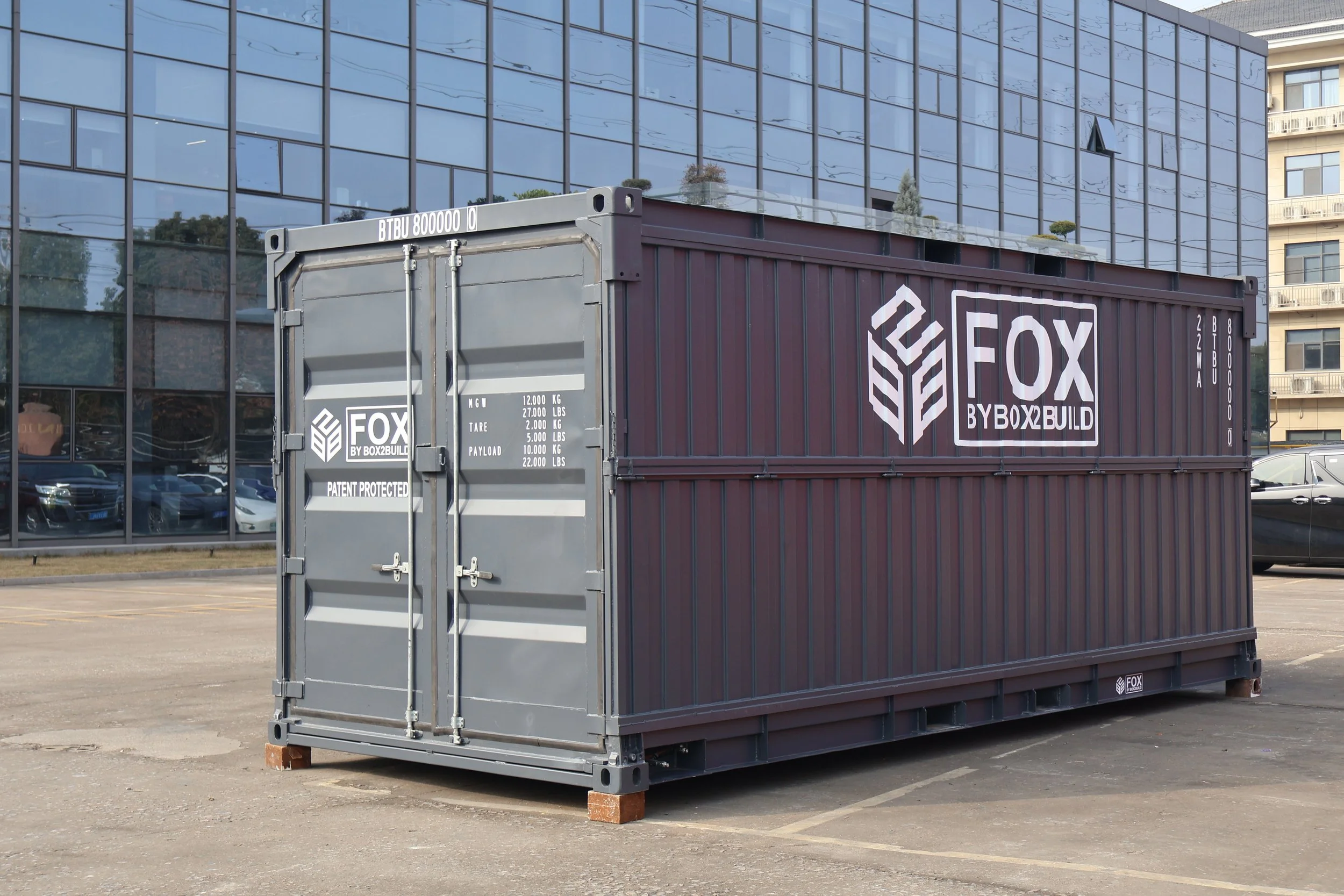
Foldable storage containers for efficient land-based logistics
Reduce empty transport. Save yard space. Stay flexible.
Designed for repeated operational use.
Built for environments where containers are regularly handled, moved, and redeployed as part of daily operations.
THE CHALLENGE
Empty container movements and underutilized storage capacity create unnecessary cost and operational inefficiency.
High storage footprint for idle containers
Costly empty transport between locations
Increased handling and operational effort
Pressure to improve asset utilization and reduce logistics cost

KEY FACTS
Footprint: 20ft ISO
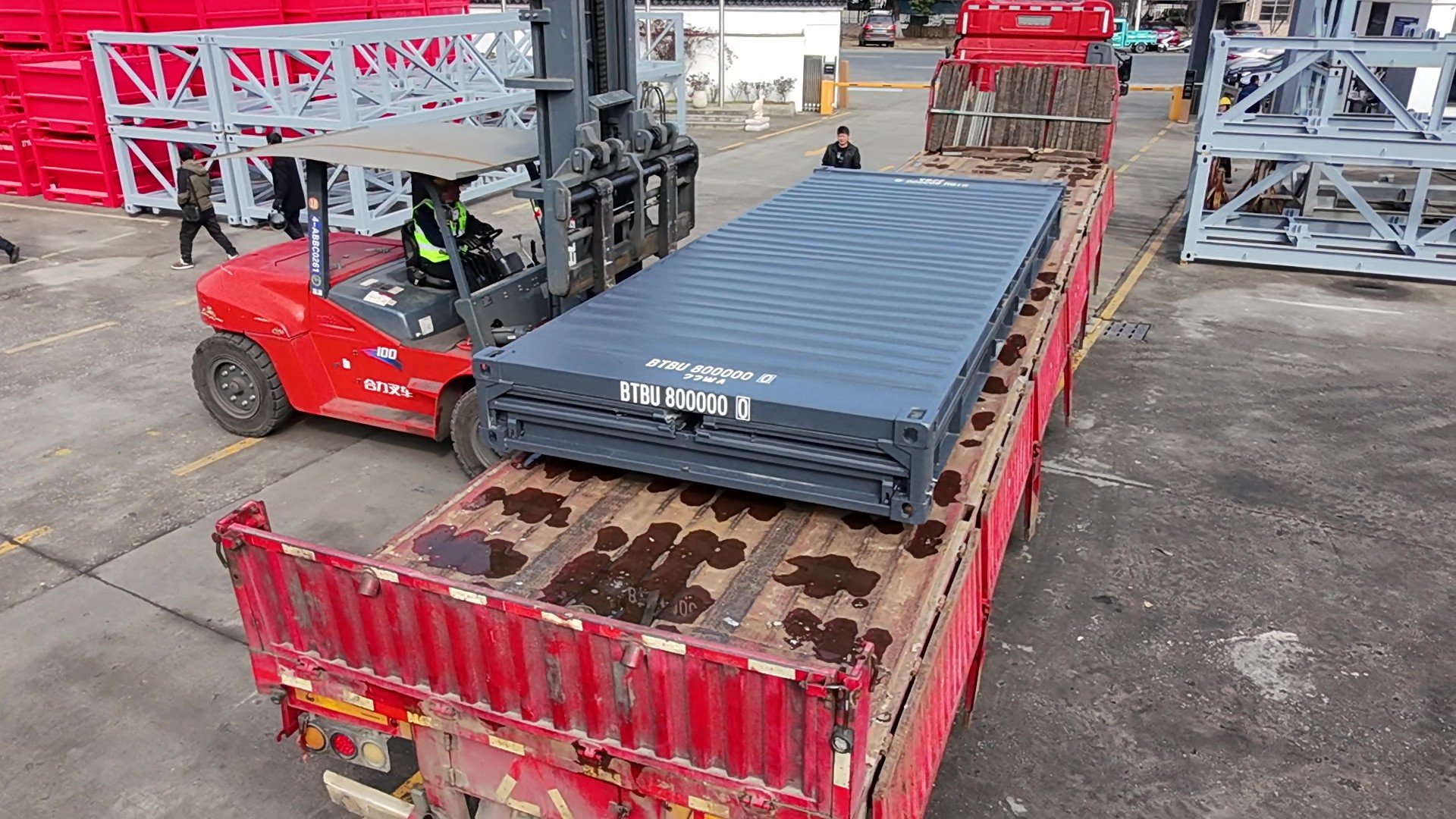
Folding ratio: 1:5
Folding time: under 10 minutes with forklift
Stackable: up to 10 units (folded), 2 units (unfolded)
Weight: 2T (tare), 10T (payload)
Transport: trucking (unfolded and folded) shipping (folded, top stowage)
Typical ROI: 1.5 – 3 years
Used in industrial and logistics environments across Europe
Developed by a team with over 15 years of experience in engineered container systems and operational logistics.
Focused on durable, functional solutions for real-world use.
KEY FEATURES
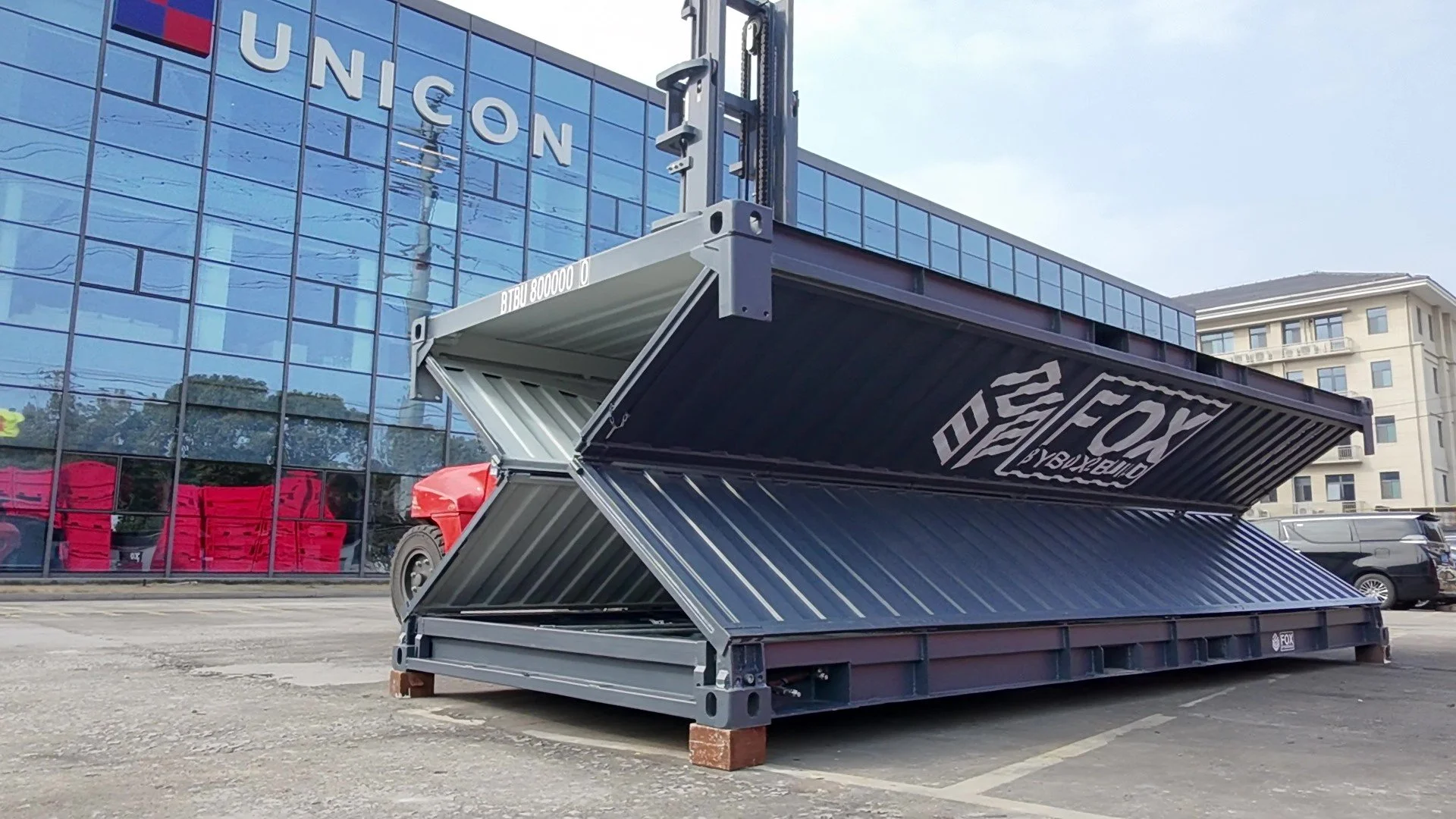
Up to 80% space saving when folded
Reduce yard and warehouse space requirements.
Lower empty transport costs
Fewer truck movements and improved logistics efficiency.
Robust steel construction
Built for consistent daily operation.
Operational flexibility
Forklift, crane, and truck compatible.
Reliable folding mechanism
Designed for repeated use in industrial environments.
Optimize your container fleet
Foldable containers provide the greatest operational benefit in environments with frequent repositioning, constrained yard space, or fluctuating capacity needs.
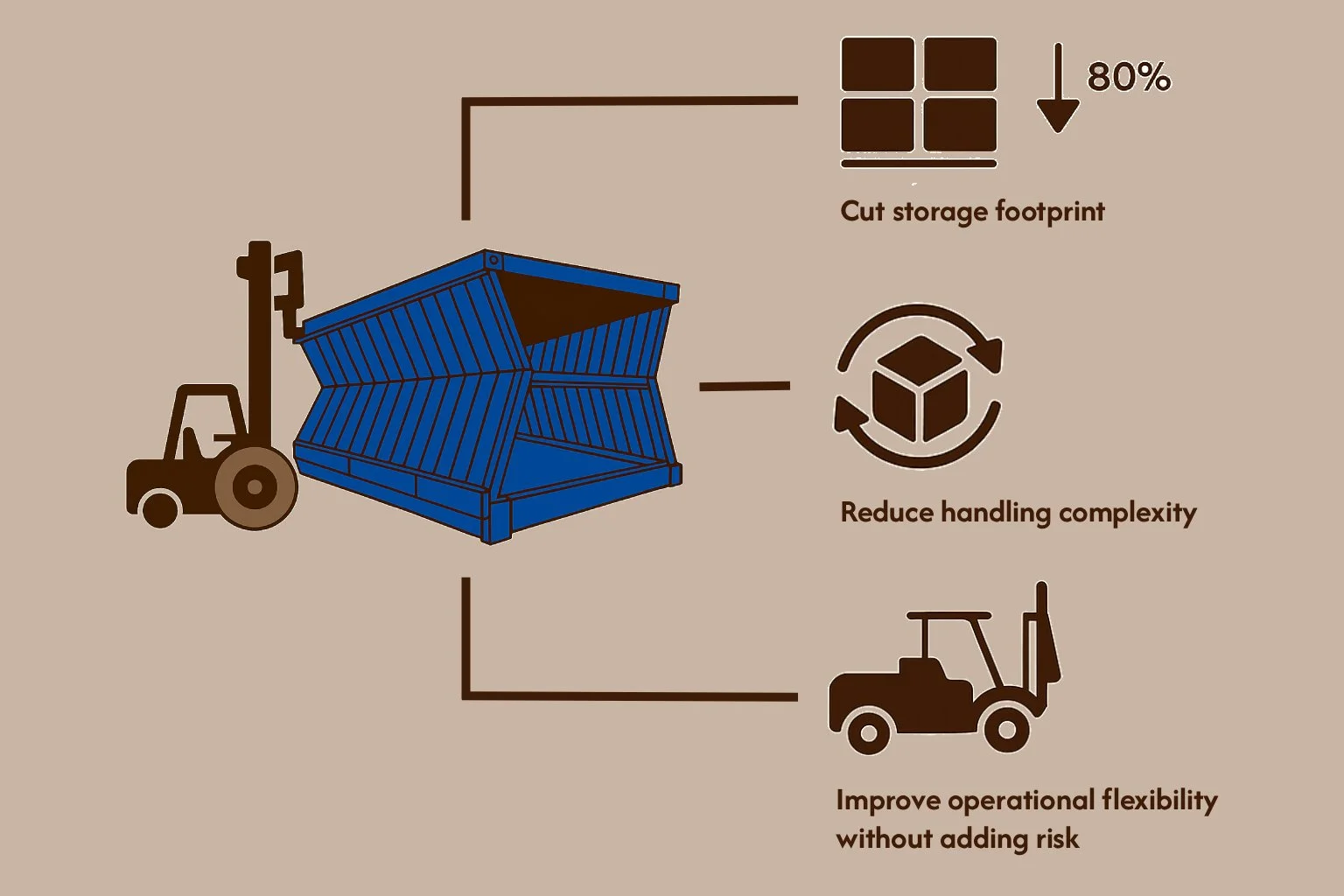
Reducing empty transport and improving storage efficiency are key drivers of logistics performance.
USE CASE

-
![Foldable storage container for rental companies]()
Reduce storage footprint and improve utilisation across multiple sites.
-
![Foldable storage container for infracstructure projects]()
Efficient temporary storage with reduced transport cost.
-
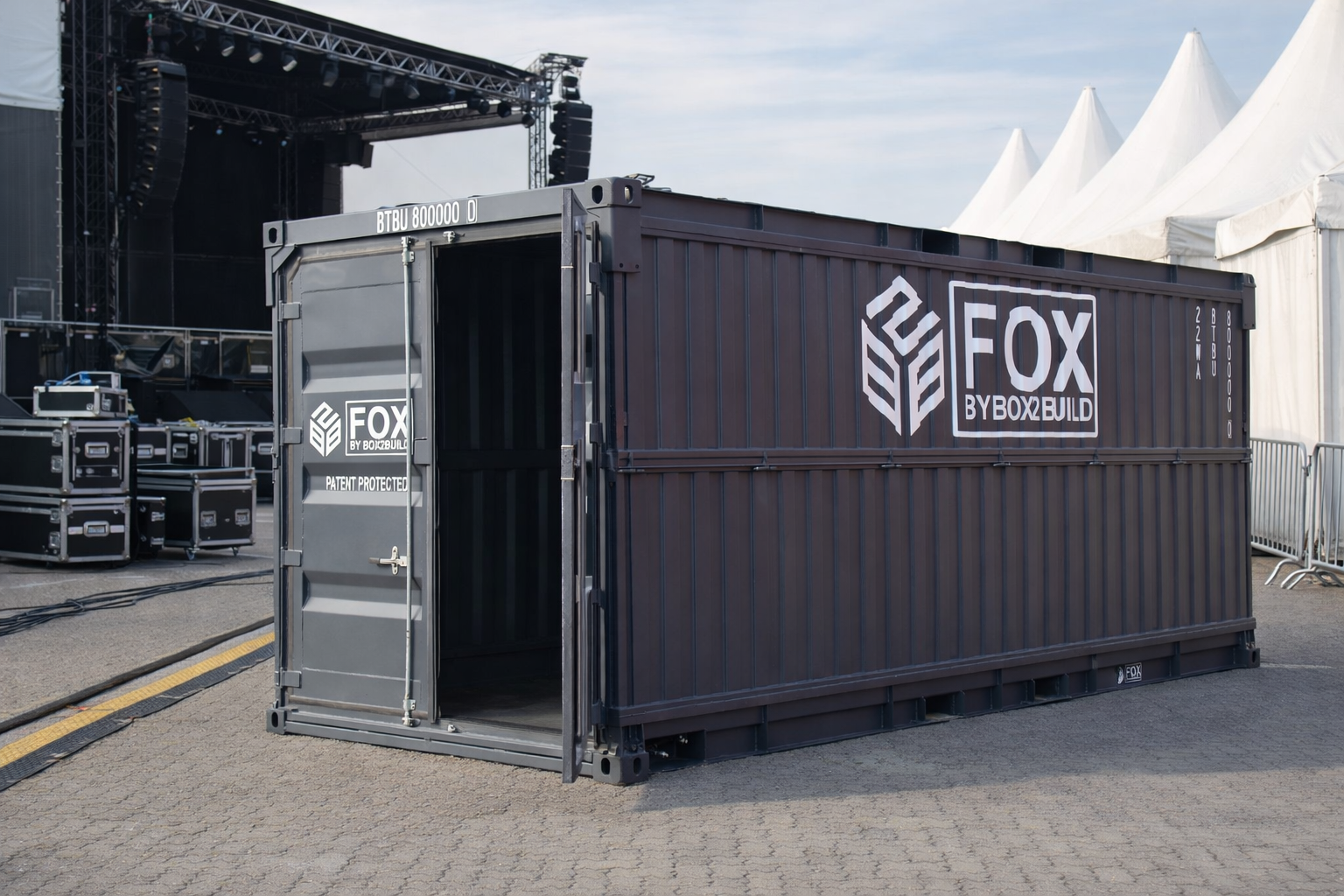
![Foldable storage container in event industry]()
Deploy quickly and reclaim space after use.
-
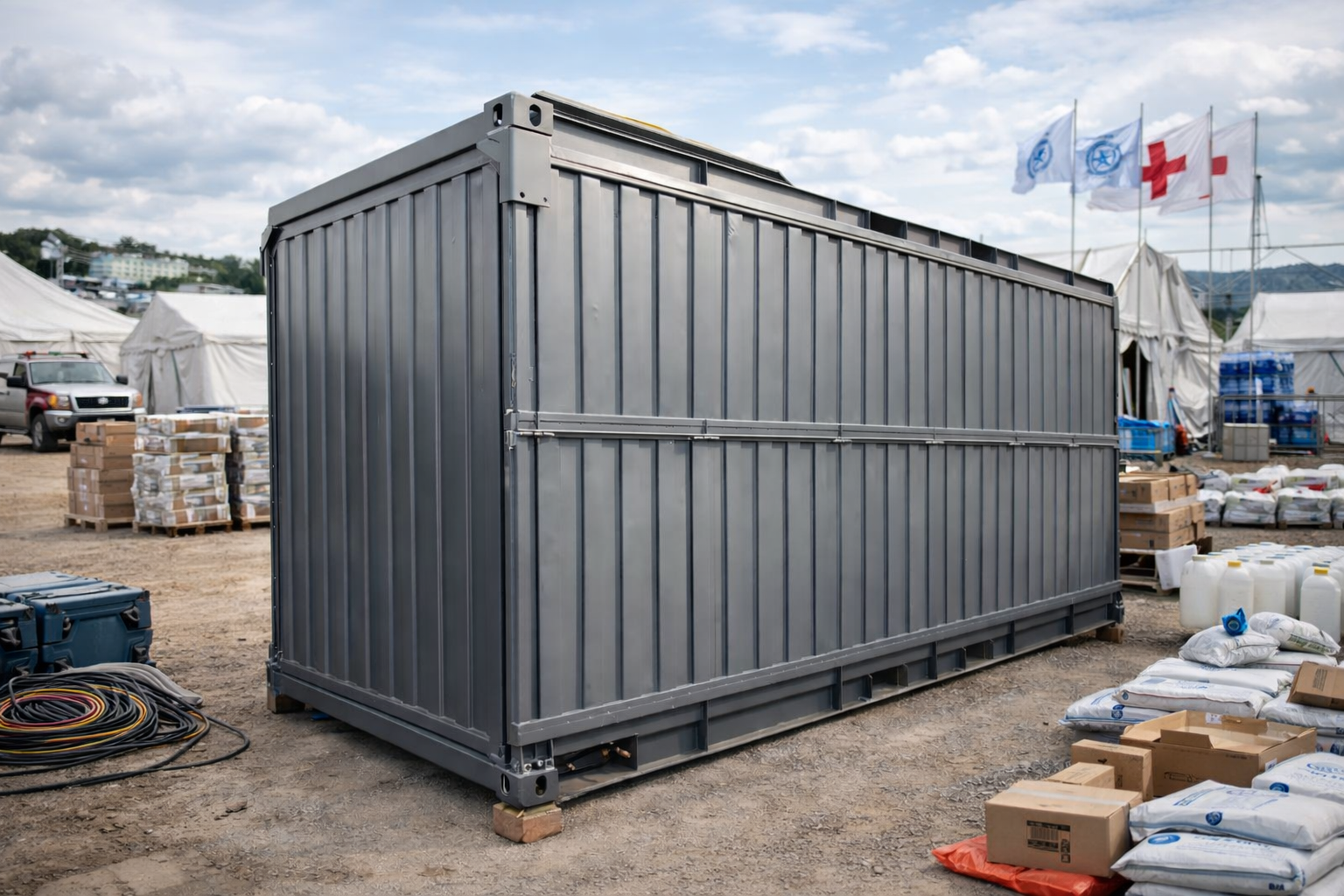
![Foldable container in the humanitarian aid]()
Deploy rapidly and minimize empty return logistics.
-
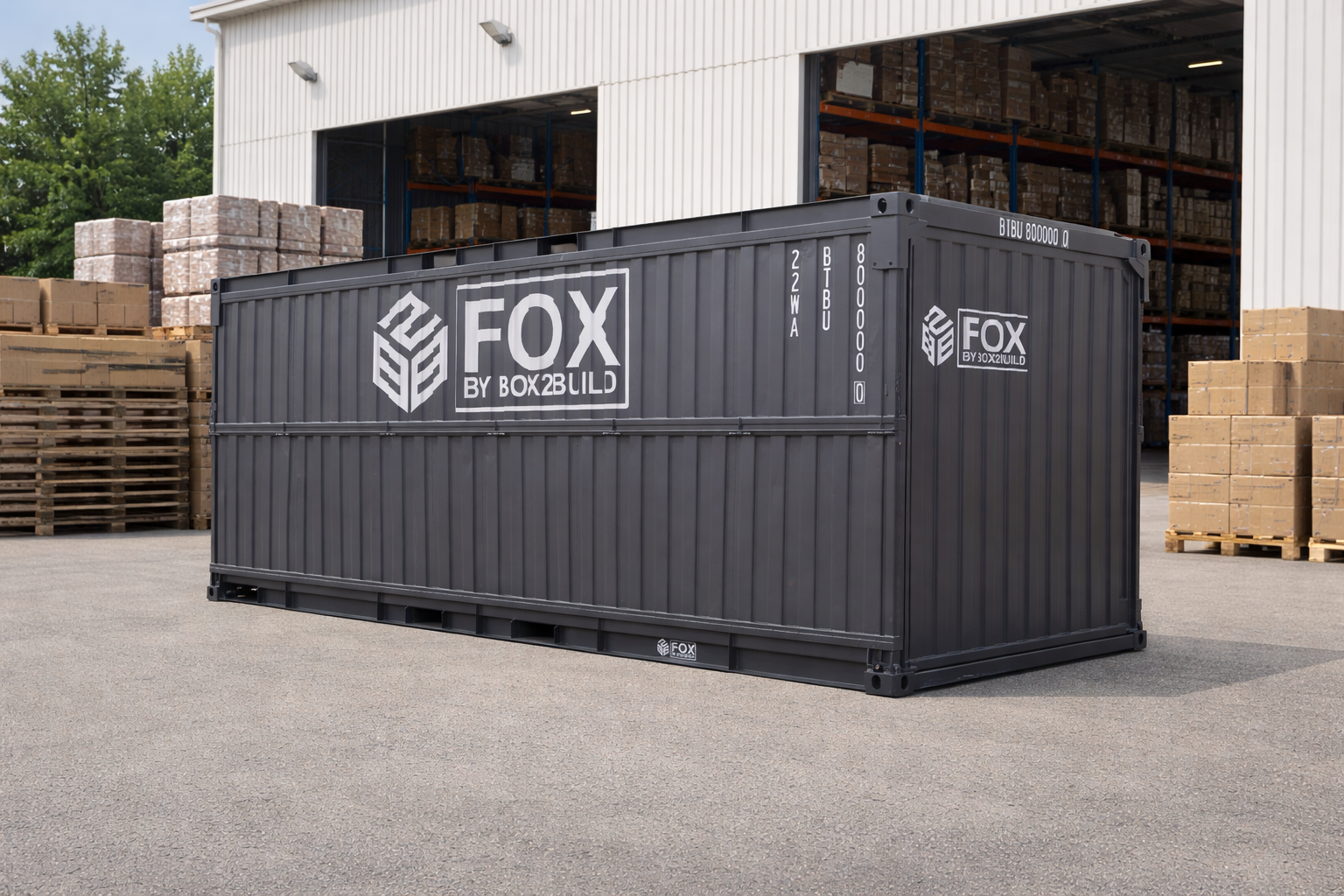
![Foldable storage container for seasonal warehousing]()
Add capacity without permanent expansion.
SERVICE & SUPPORT
Operational onboarding and handling guidance
Maintenance and inspection support
Deployment assistance
Standard container warranty
Designed for long-term, reliable operation.
Return on investment
Most users achieve a return on investment within 1.5 to 3 years, depending on usage and logistics profile.
Key drivers:
Reduced yard space
Fewer container movements
Lower transport cost
Improved asset utilisation