
Engineering that survives reality
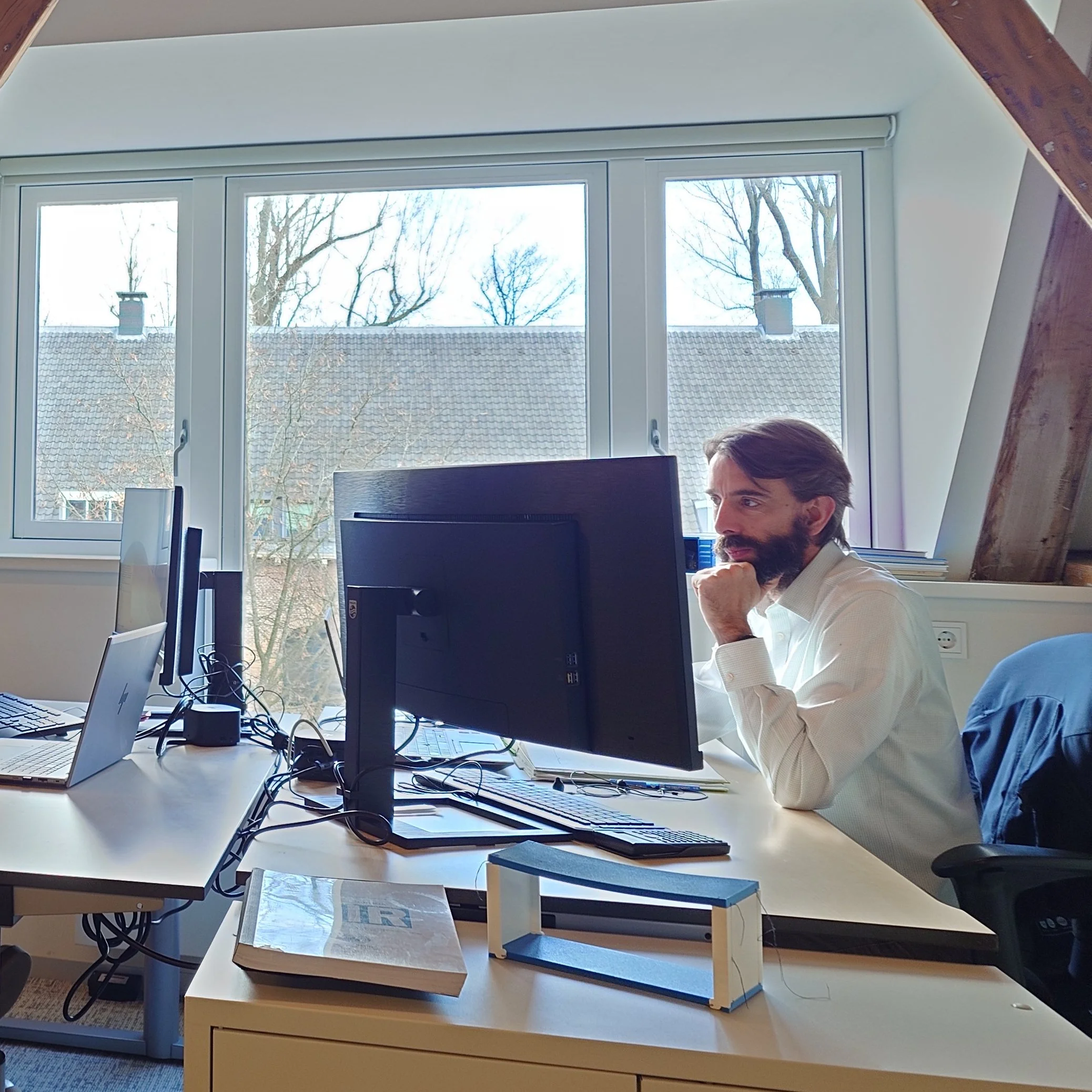
Arthur in Box2Build office
In 2008, a foldable container worked perfectly.
On paper.
Arthur was a mechanical engineering student at TU Delft when he started his internship in the container industry. The concept was elegant. The calculations were correct. The CAD models were precise.
And then reality intervened.
The first prototypes revealed what textbooks don’t teach. What looks structurally sound can still be impossible to build. What passes theory may fail ISO testing. What folds smoothly in drawings may jam in a yard after months of use.
That moment shaped his career.
Today marks Arthur’s 18th year in container engineering.
When theory meets steel
That early foldable container had to be redesigned eight times to become producible and certifiable.
It required roughly fifteen more redesigns before it worked reliably in daily operations.
Each iteration exposed something new:
• ISO load cases are unforgiving
• Factories have constraints engineers must respect
• Operational simplicity beats theoretical elegance
Arthur learned that engineering is not about adding complexity.
It is about removing it.

Arthur in the factory test station
From Delft workshop to global production floors
Before containers, Arthur built race cars in the TU Delft workshop with international student teams. Deadlines were real. Materials were real. Mistakes were visible.
That practical foundation stayed with him.
Later, he lived in Korea and China to coordinate container production. He worked inside factories, aligning design intent with welding reality. He witnessed ISO testing up close. He saw containers operate in different climates, ports and industrial environments across every continent.
Over time, he engineered more than 25 unique container types and worked with around 10 different production facilities.
These experiences changed his perspective.
A design is not finished when it looks correct.
It is finished when it survives stacking forces, transport stress, forklifts, corrosion, and daily handling.
The shift: minimum functional clarity
The shift: minimum functional clarity
One project later in his career made him rethink his approach.
Instead of asking, what can we design?
He began asking, what is the absolute minimum required for this container to perform safely and reliably?
That shift toward defining minimum functional requirements created clarity.
Clarity in structure.
Clarity in production.
Clarity in operation.
Today, that mindset defines how he approaches every concept at Box2Build.
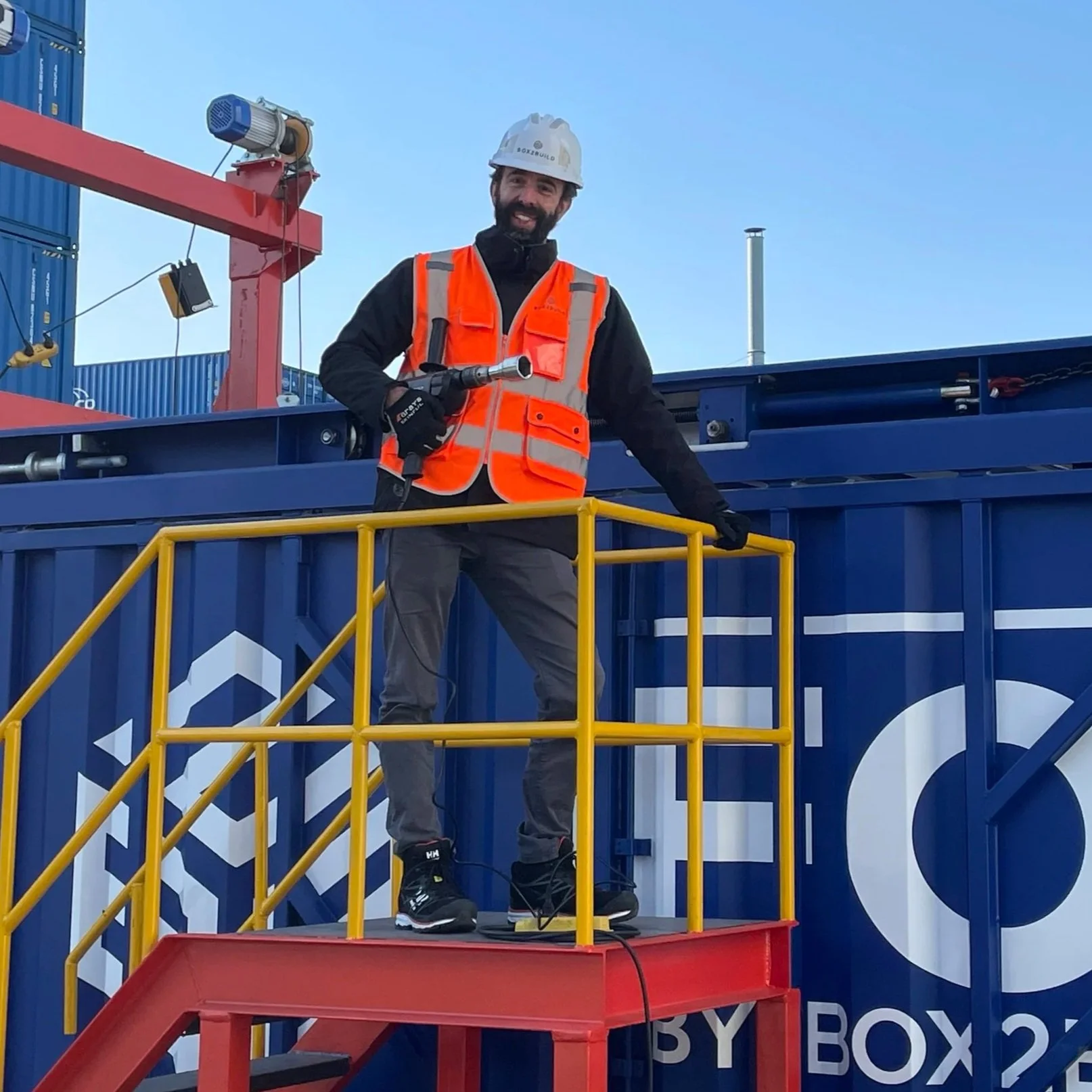
Arthur performing field operations on our FOX-bulk container
Why this matters for clients
Clients do not see the calculations.
They do not see the redesign iterations.
They do not see the factory negotiations.
They see containers that work.
Containers that pass ISO testing.
Containers that can actually be built efficiently.
Containers that perform in real logistics chains.
When clients look back at a project, Arthur’s objective is simple:
We solved the problem.
Looking forward
Eighteen years in the container industry is not about tenure.
It is about refinement.
Combining mechanical fundamentals, factory reality, regulatory understanding, and operational feedback into one clear outcome:
Engineering that survives reality.