
Seventy years of the container. It’s time for FOX
The container is seventy years old this year. It changed how goods cross oceans, but not what happens to an empty box on land. Inland, an empty container still takes a full truck to move and a full parking spot to keep. FOX-storage folds five into one. Fewer depots, fewer trucks, less planning.
Box2Build and Continest combine foldable systems for more efficient temporary infrastructure
FOX Storage and Continest's foldable temporary infrastructure now work as one logistics system, reducing transport, simplifying deployment and creating more value for temporary infrastructure projects.
From scrap to steel: When container design changes the economics of a supply chain
The Alabama steel project shows how engineering transport equipment can transform the economics of circular supply chains. Discover how Box2Build, Clipper Bulk Shipping and Outokumpu redesigned logistics by reducing structural empty transport.
What it actually takes to certify a foldable container
Certifying a foldable container is more demanding than the standard suggests - and more demanding still when the container type has never been certified before. We have been running that process since 2010, across multiple foldable container types, with recognised class societies including ABS and Lloyd's Register. This article explains what the process actually requires, and what fifteen years of doing it has taught us.
What a 5:1 fold actually changes for a rental operator
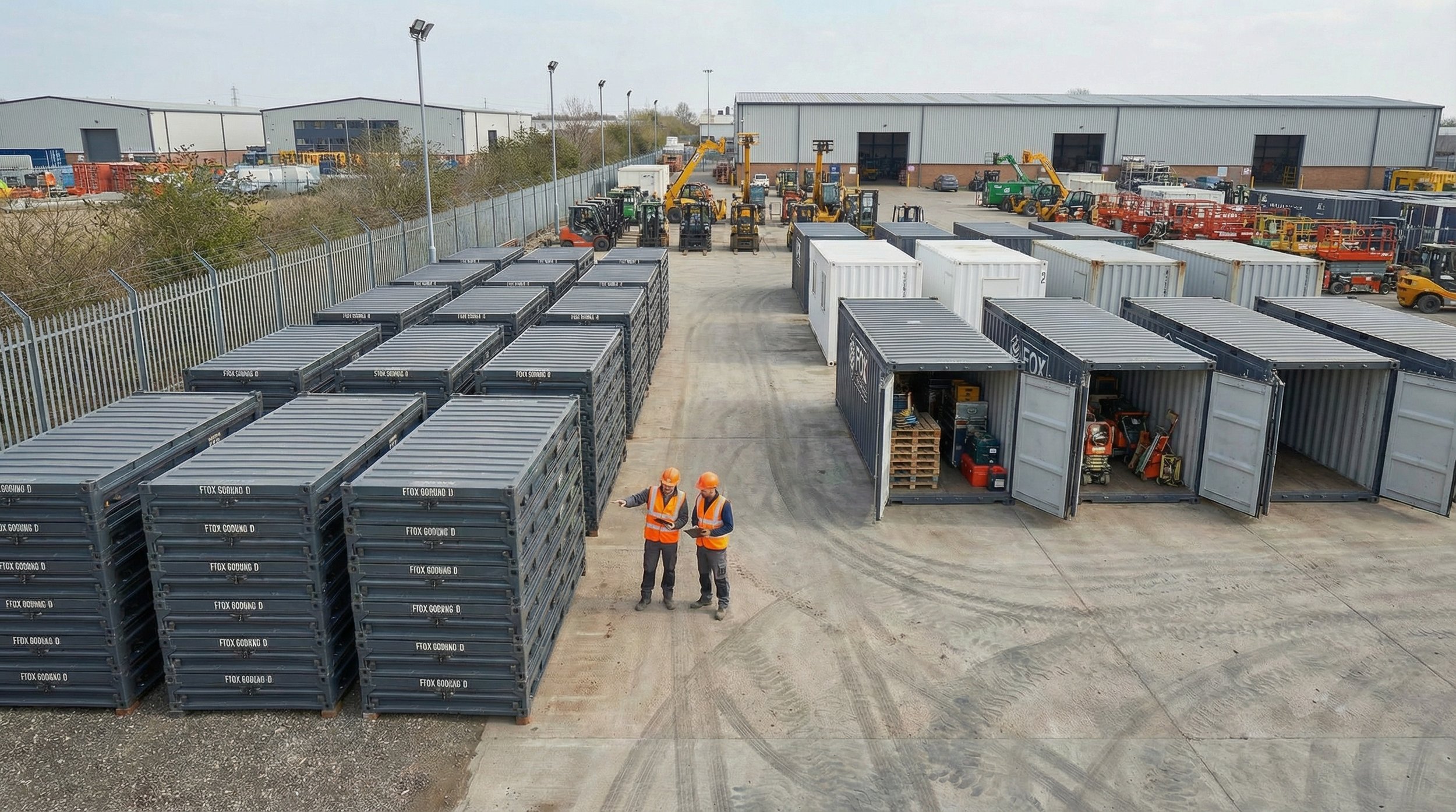
Standard containers make short-term rental uneconomical, require multiple regional depots, and tie up yard space whether units are working or not. The FOX-storage 5:1 fold ratio changes all three. Here is what that looks like in numbers.
When foldable containers work, and when they don't
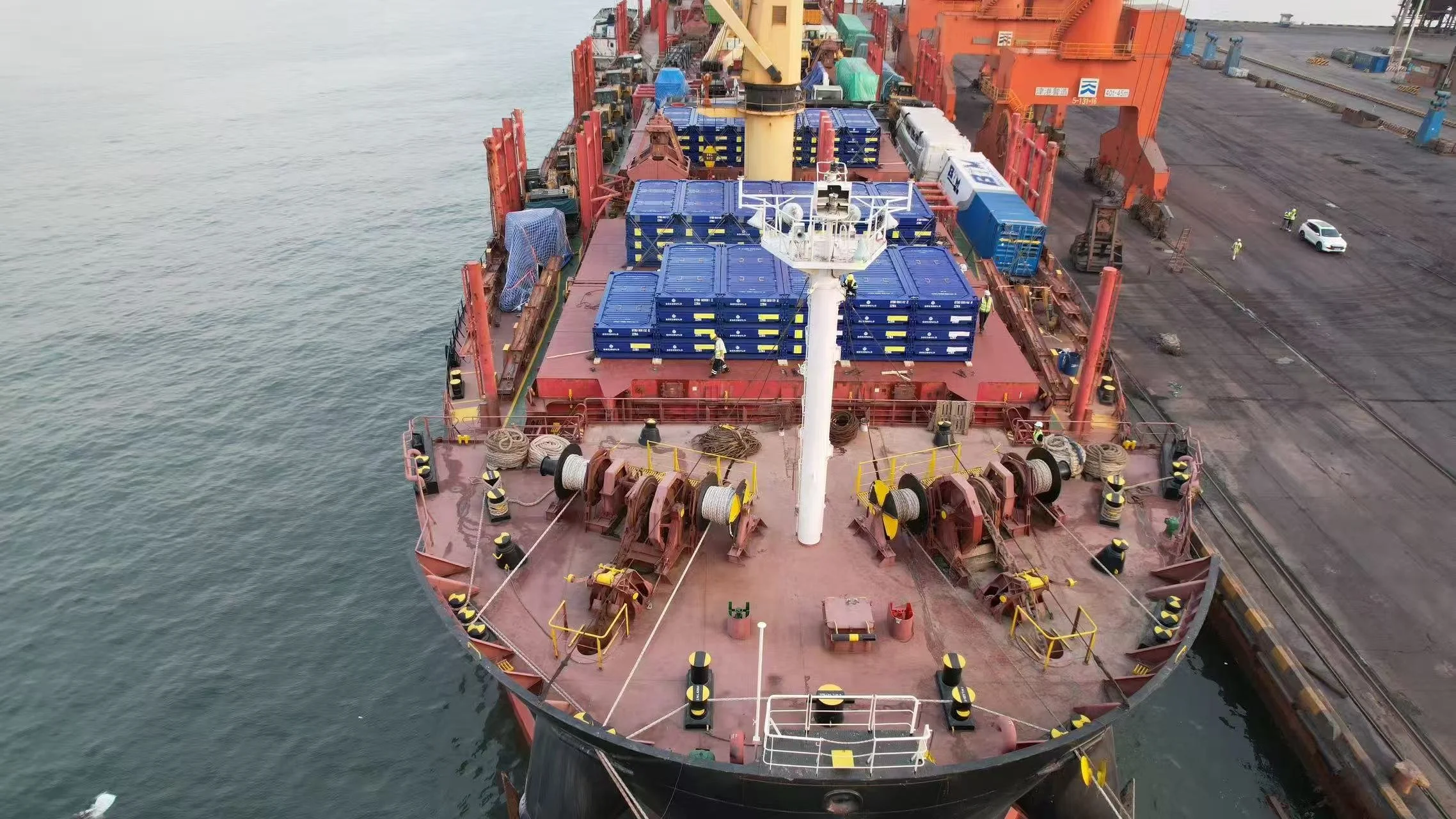
Foldable containers don't solve the empty container problem. They compress it. Here's the difference.

From shipping containers to niche applications: What 15 Years of foldable container development taught us
Foldable containers have been part of our work since 2008. What started with developing the world's first fully certified foldable 40HC shipping container taught us as much about the limits of innovation as about its possibilities. This is what fifteen years of building, operating, and commercializing foldable containers in global logistics actually looks like.
Engineering that survives reality
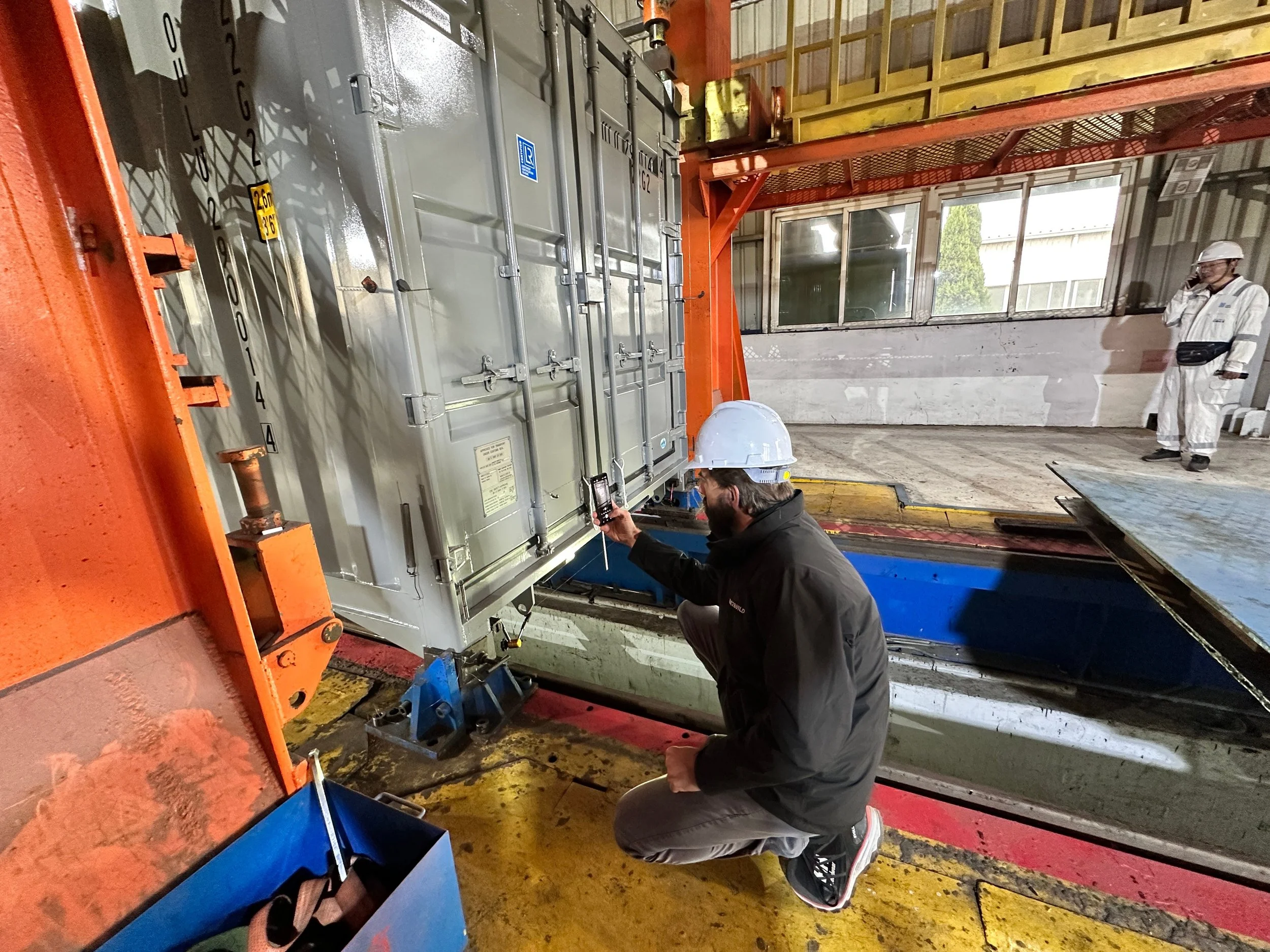
What starts as a clean CAD model rarely survives first contact with steel, welding and ISO testing. On the occasion of his 18th year in container engineering, Arthur reflects on the redesigns, factory floors and real-world lessons that define how he engineers today.
The 4:1 advantage: why empty returns are mining’s hidden cost
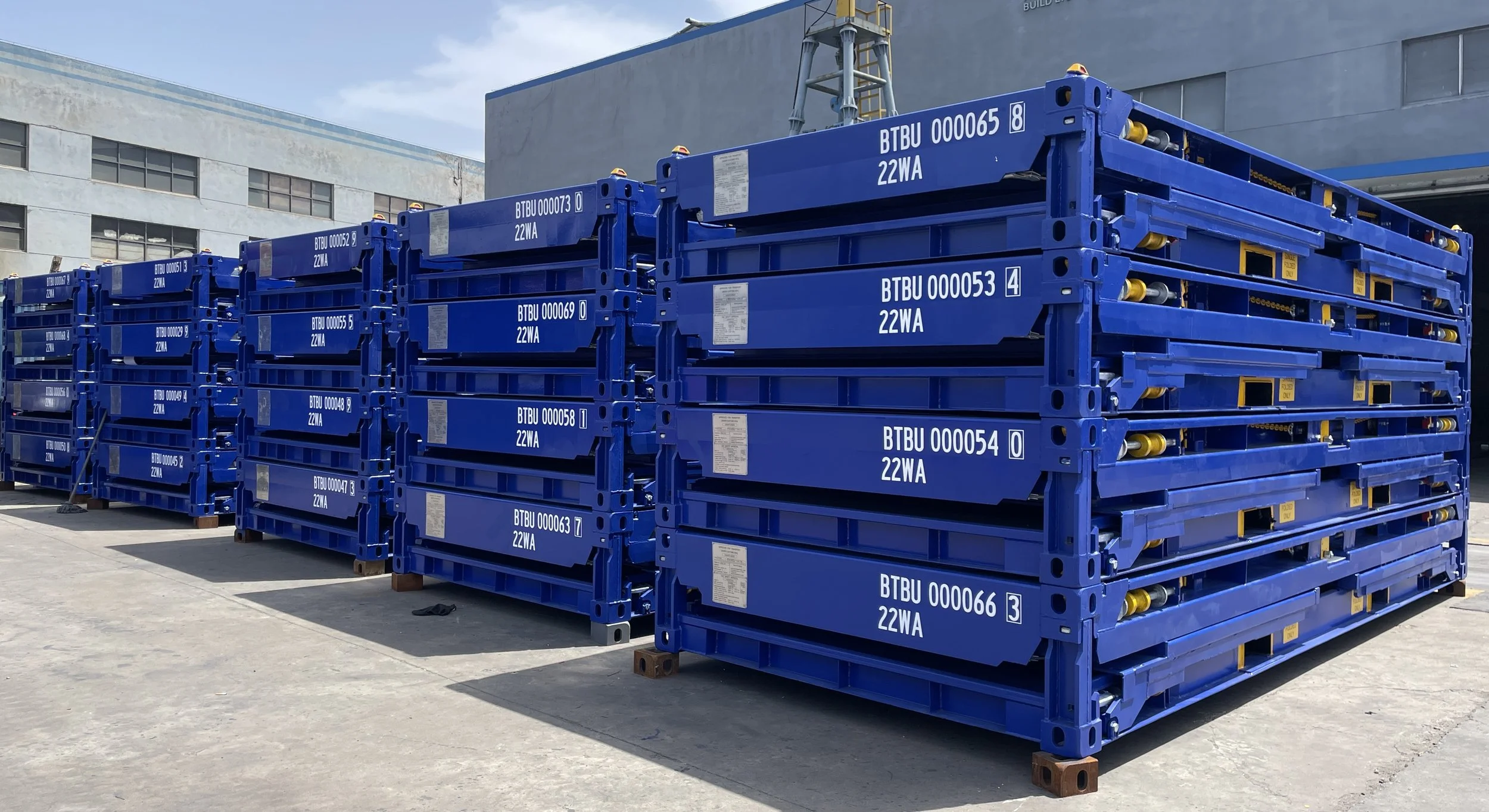
Foldable FOX-bulk containers reduce empty return transport by up to 75%. Calculate savings per route and see how fewer trucks, lower fuel use and less yard space translate directly into fast payback.
The structural inefficiency nobody in container rental likes to talk about
In container rental, profitability is no longer defined by fleet size alone. The real challenge lies in what happens between rental cycles: idle containers, congested yards, and rising operational costs. This article examines why storage inefficiency has become a hidden bottleneck and how forward-thinking operators are addressing it.

Foldable storage container for smarter storage and transport
Discover the foldable storage container – a lightweight, cost-efficient, and sustainable solution for inland logistics. Folding 1:5, it saves space and transport costs while serving industries from humanitarian aid to infrastructure projects
Optimizing bulk shipping with foldable containers
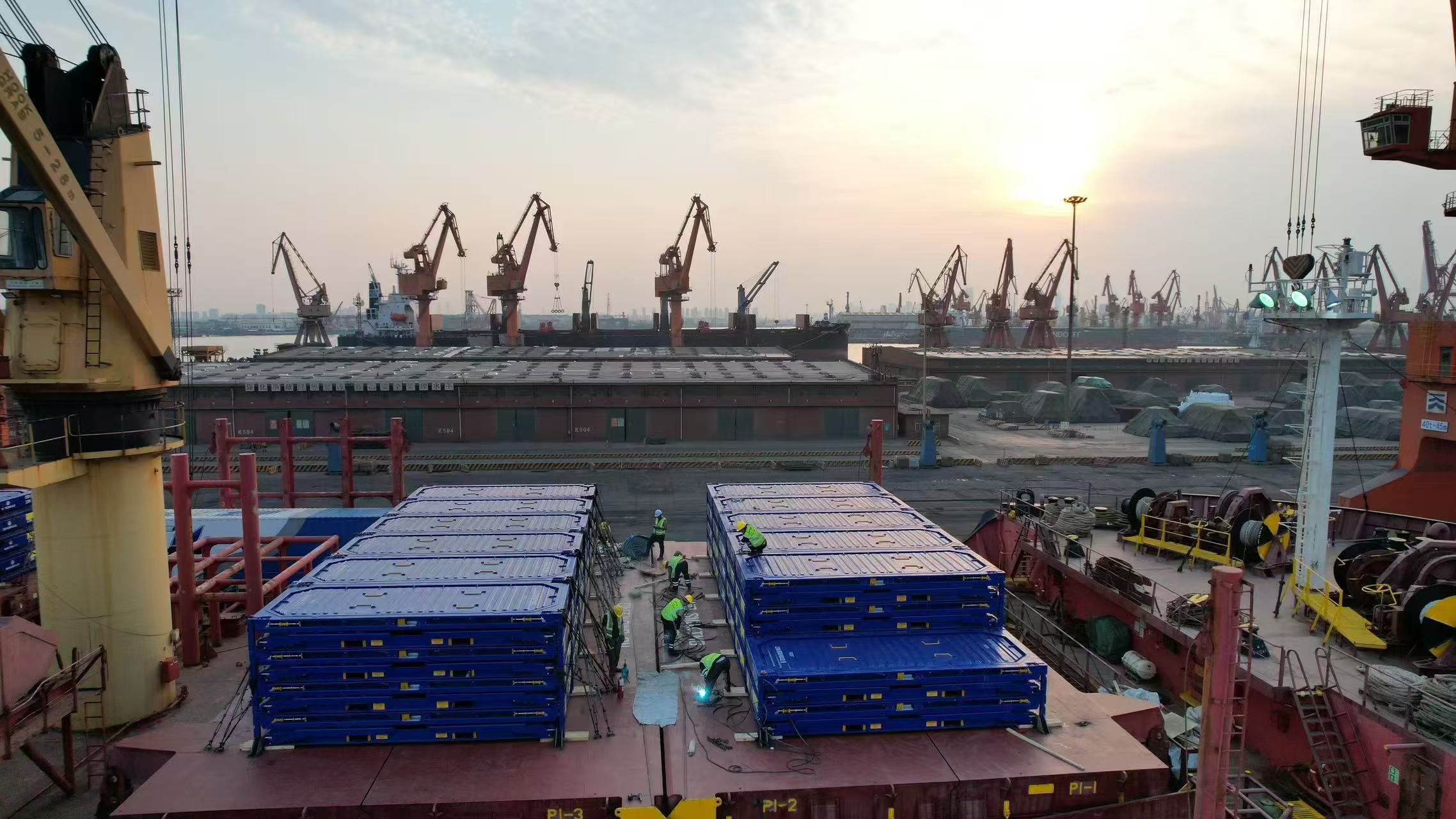
Discover how Box2Build’s foldable hard top dry bulk shipping containers optimize space and reduce logistics costs in maritime transport. Designed for durability and easy stacking, these containers improve efficiency and sustainability in bulk shipping operations
Beyond the prototype: why Box2Build is the only company to scale foldable containers
Foldable containers have long remained in the concept phase, with most solutions limited to prototypes and small pilot fleets. Real deployment in logistics, mining, and industrial storage has been rare. Box2Build has taken a different approach by focusing on production, engineering, and real-world use.

How custom-designed containers optimize logistics and reduce costs
Standard containers don’t always fit unique needs. Optimize efficiency, cut costs, and enhance operations with Box2Build’s tailored container solutions. Let’s build smarter.
The growing need for custom containers: How upfront expertise makes all the difference
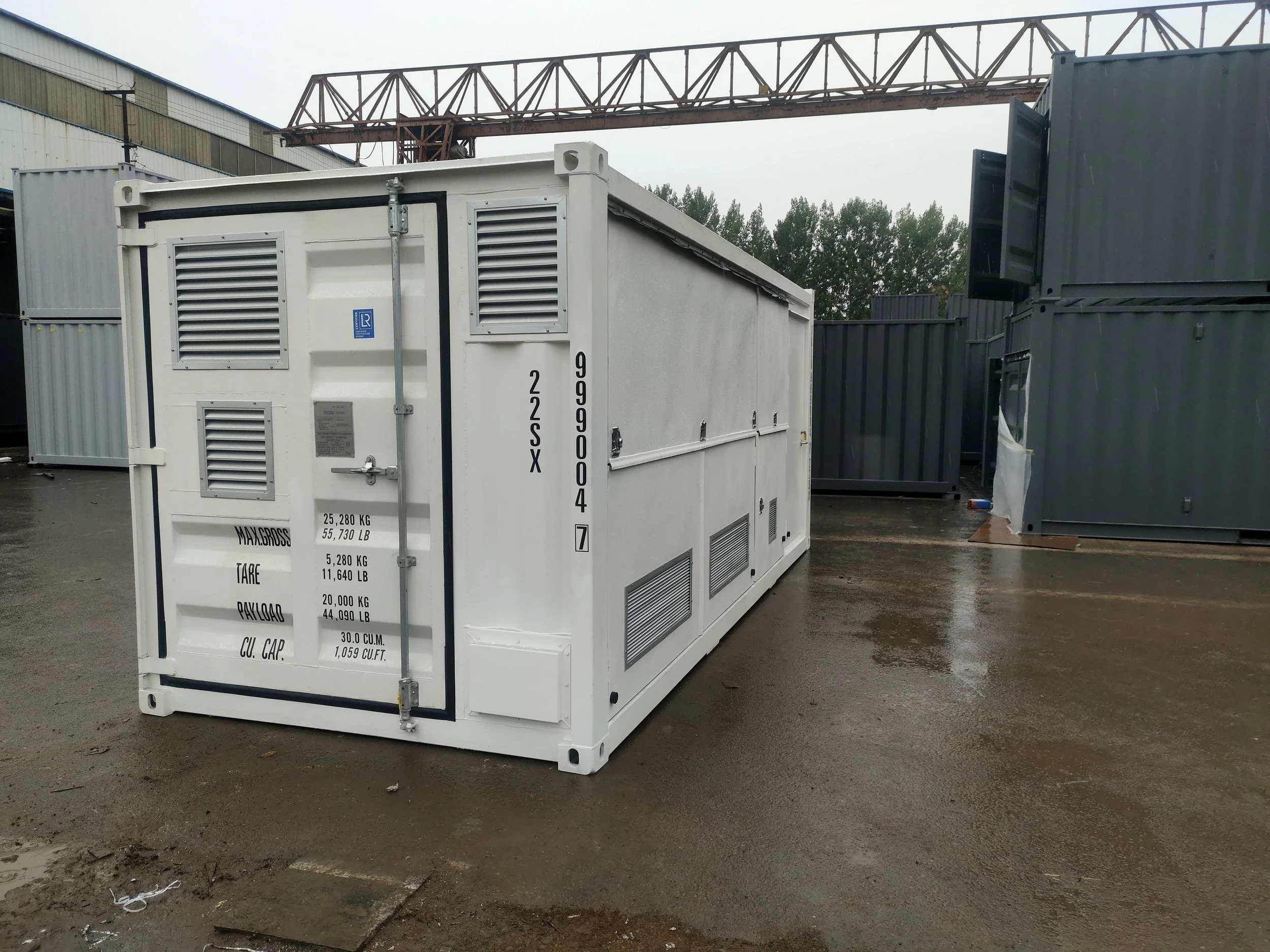
The demand for custom containers is rising, and upfront expertise makes all the difference. At Box2Build, we ensure tailored, efficient, and compliant solutions from design to deployment.

Navigating the new era: What the EU’s carbon border adjustment mechanism means for your shipping container imports
The EU's Carbon Border Adjustment Mechanism (CBAM) will impact materials like steel used in containers. Businesses must adapt to stay competitive and sustainable. Let Box2Build help you prepare.

The Importance of safety in dry bulk shipping: A call to prioritize certified containers
Using uncertified containers for bulk materials risks cargo, operations, and lives. Prioritize certified containers and uphold industry safety standards.

Leveraging blockchain technology for enhanced transparency and efficiency in container logistics
Discover the future of container logistics through blockchain technology, enhancing global shipping with unprecedented transparency and efficiency.
CSC and ISO certification for foldable containers: what it requires and who can deliver it
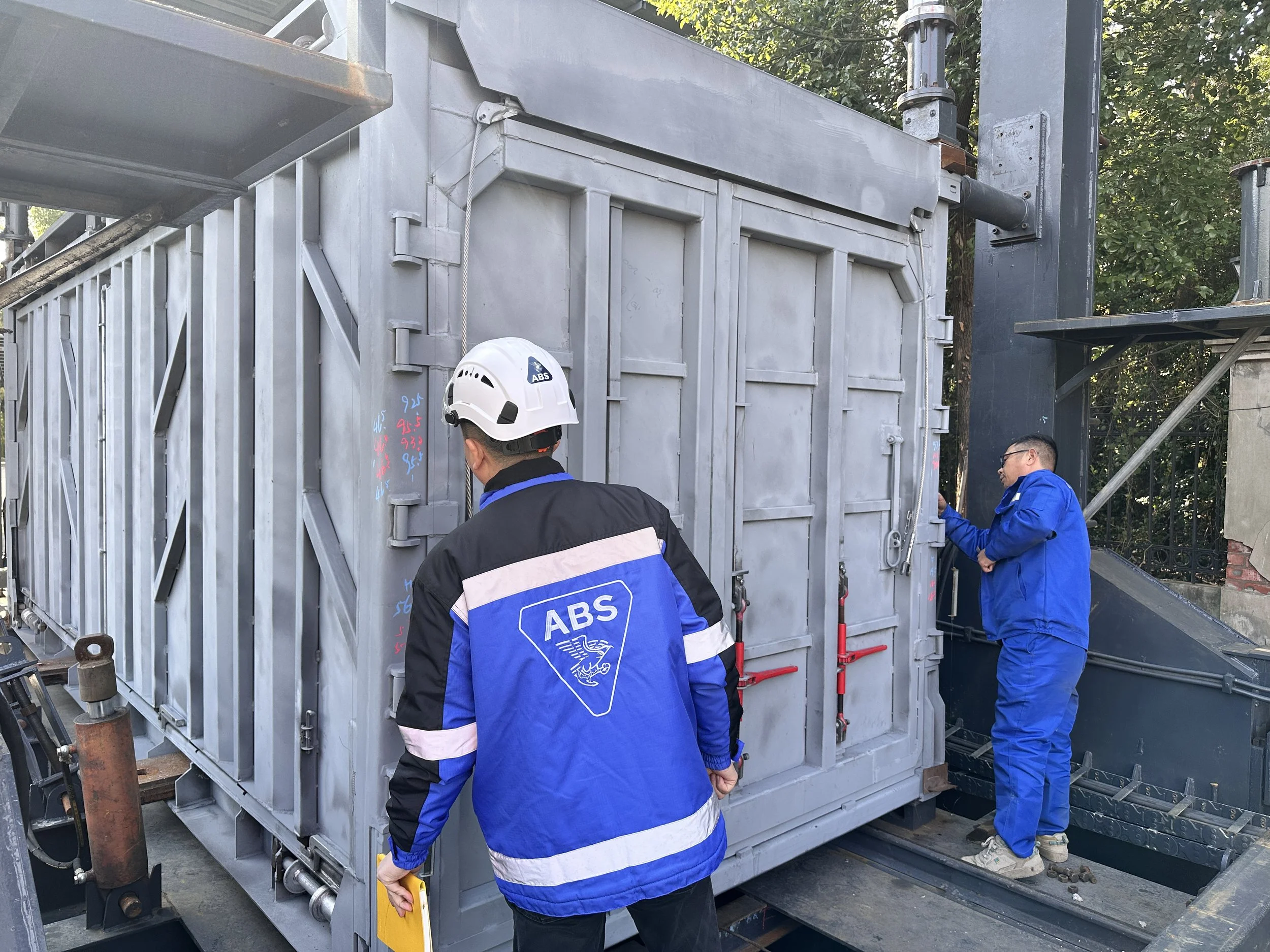
CSC and ISO certification for foldable containers is technically demanding and rarely achieved. This article explains what the certification process requires and which suppliers have actually completed it.

Safety in Containers with Moving Parts: Ensuring Secure Operations in Advanced Designs
The traditional image of a shipping container is that of a sturdy, static, steel box—reliable and unwavering.